
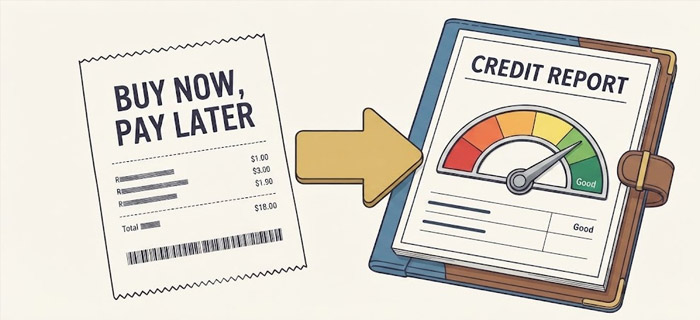
Does Klarna or Afterpay affect your credit score? The short answer is no for most people, but that “no” comes with a catch worth knowing. Both apps run on buy now, pay later (BNPL), and not every BNPL plan works the same way. Some stay off your report completely. Others can trigger a hard check, and one mistake can leave a mark for seven years. Below is the full answer, split by the plan you actually picked at checkout.
What Will We Talk About Here?
- Standard pay-in-four plans from Klarna and Afterpay do not affect your credit score.
- VSigning up brings a soft check only, and neither company reports these short plans to US credit bureaus.
- Klarna’s longer monthly financing is the exception, since it can involve a hard check and can report your payment history.
- The real risk sits elsewhere: miss enough payments, the balance goes to a collection agency, and that collection can land on your report and stay for up to seven years.
…and Much More!
The Short Answer, Split By Plan Type
Most guides answer this question by brand. That is why the answers never agree. Klarna and Afterpay each run more than one product, and those products behave in completely different ways.
Look at your checkout screen instead. You picked one of two things.
Pay in four
This is the default option on both apps. You pay 25% at checkout and the rest over six weeks, in three more instalments, with no interest.
Signing up brings a soft check. Klarna and Afterpay both use it to judge whether you can handle the amount. Bureaus do not record soft checks, so your score does not move.
These plans also stay off your credit file. Afterpay does not report its US pay-in-four activity to the bureaus. Klarna holds back on its short plans too. Nobody sees the account, so nothing helps you and nothing hurts you.
That cuts both ways. Twelve clean pay-in-four plans build you nothing. A thin file stays thin.
Monthly financing
Klarna offers this on bigger purchases, usually spread over 6 to 36 months. Afterpay has run longer plans as well, though the pay-in-four option remains its main product in the US.
This is a different animal. A longer plan can involve a hard check, and a hard check does shave a few points off your score. The account can also report, which means the bureaus see the balance and the payment history month after month. Rival apps split the same way, which is why a Klarna vs Quadpay comparison rarely gives you one clean answer either.
So the same app gives you two opposite answers. Pick pay in four and your credit file never learns about it. Pick the 24-month plan on a $900 sofa and you have opened a loan.
Check which one you agreed to before you assume you are safe. The two sections below break down exactly what each company does with your data.
What Klarna Does With Your Credit Data
Klarna checks you at three moments. Sign-up, checkout, and any time you ask for a bigger limit.
For pay in four, that check is soft. Klarna looks at your file to judge the risk, but the bureaus log it as a view, not an application. Your score sits still.
Apply for the longer financing plan and the rules change. Klarna can run a hard check there, and it can pass the account details on. Balance, payment dates, and any late marks become part of your file.
Klarna also keeps its own record of you inside the app. Every plan you open, every payment you clear, every one you miss. That record sets your spending limit. It never reaches a bureau, so it cannot lift your score, but it can quietly shrink what Klarna lets you spend.
One thing catches people out. Klarna’s fee sits at $7 per missed payment on short plans, and up to $35 a month on a financing account. Those fees are Klarna’s, not the bureau’s, so they do not show up on your report. They still make the debt bigger, which is how a small plan turns into a collection later.
If you only remember one line about Klarna, make it this: the app is not the problem, the plan you tapped at checkout is.
What Afterpay Does With Your Credit Data
Afterpay is the simpler of the two. Its US product is pay in four, and that plan sits outside the credit system almost entirely.
There is no hard check at sign-up. Afterpay runs a soft look at most, and it leans far more on its own data than on your file. New accounts start with a low limit, often under $200, and that limit grows as you clear plans on time.
Afterpay states that its US buy now, pay later payments do not currently affect credit scores and that it does not report them to US bureaus. So a lender pulling your file will not see the account, the balance, or the payment dates.
Late payments work differently here too. Afterpay does not charge interest. It charges a late fee, capped at 25% of the order value. Instead of piling on more fees, it freezes your account until you clear the balance.
That freeze is the real consequence for most people. You lose access, not points.
But “does not report” is not the same as “does not matter.” Afterpay has one route to your credit file, and it opens only when the debt stops being Afterpay’s problem. The section further down covers that.
Why Klarna and Afterpay Stepped Back From FICO
This is the part that changed recently, and it explains why older guides feel out of date.
FICO built new scoring models that fold BNPL loans into your credit score. Affirm signed up. It worked with FICO on the models and started sending its loan data to Experian and other bureaus.
Klarna and Afterpay said no.
Their reasoning comes down to a mismatch. The credit scoring system was built around credit cards and multi-year loans. A pay-in-four plan lasts six weeks. Open four of them in a month and the old model reads that as four new accounts, which normally drags a score down. Both companies argue that customers who pay perfectly could still get punished for it.
They also say the bureaus are not getting real-time, accurate data on these short plans, so the picture a lender sees would be wrong anyway.
FICO’s own testing points the other way. Looking at Affirm loans, it found the effect on scores was around 10 points or less for more than 85% of people it studied. Small, in other words.
Both companies say they will keep holding back until the scoring maths changes.
What this means for you today is simple. Your Klarna and Afterpay pay-in-four plans are still invisible to the bureaus. That is a choice those two companies are actively making, not a permanent rule, and it can change with a single announcement.
The One Way Afterpay Can Still Hurt You
Afterpay does not report your payments. It can still put a mark on your credit file, and this is how.
Stop paying for long enough and Afterpay writes the balance off its own books and sells it to a debt collector. The moment that happens, the debt belongs to someone else. That someone else has no policy about staying out of the credit system.
Collection agencies report. It is their main pressure tool.
So a $120 order you forgot about turns into a collection entry on your report. The CFPB has warned about exactly this: unpaid BNPL debt can end up with a collector, and that collection activity can be passed to the credit reporting companies.
The damage here is not small. Payment history carries the heaviest weight in the FICO model at 35%, and a collection is one of the worst entries you can pick up. It sits on your report for up to seven years, and any lender who pulls your file sees it.
Klarna works the same way on this point. Unpaid balances eventually leave the app and land with a collector.
The gap between “harmless” and “seven years of damage” is a few missed payments. That is the whole risk in one sentence.
Set up autopay, or put the four dates in your phone the day you buy.
How Late Fees Work On Each App
Neither app charges interest on pay in four. They charge fees instead, and the two work differently.
Afterpay caps its late fees at 25% of the order value. Miss a payment on a $100 order and the fees stop at $25. It also freezes your account until you clear the balance.
Klarna charges $7 per missed payment on short plans, and up to $35 a month on a financing account.
Neither fee reaches your credit report. They just grow the debt, which is how a small plan ends up with a collector.
The Damage You Cannot See On Your Score
Your score can stay untouched while your borrowing power drops. This is the part almost nobody explains.
Apply for a mortgage and the lender asks for two or three months of bank statements. Those statements show every Klarna and Afterpay debit, even though the bureaus hold nothing. An underwriter counts that money as a commitment against your income.
Six active plans reads as strain, no matter how clean your score looks. Clear your BNPL plans three months before any big application.
How To Check If Your BNPL Shows Up
Do not guess. Check.
- Pull your free reports from all three bureaus at AnnualCreditReport.com. Klarna may sit on one and not the others.
- Read the accounts section. Look for Klarna, Afterpay, or a lender name you do not recognise. It helps to know what a credit report actually contains before you start reading.
- Read the collections section separately. An old BNPL debt appears under the collector’s name, not the app’s.
- Dispute anything wrong with the bureau in writing. They have 30 days to answer.
Can BNPL Ever Help Your Score?
Rarely, and not with pay in four.
An account that never reaches the bureaus cannot build anything. Two years of perfect Afterpay payments leave your file exactly as thin as it was.
Klarna’s monthly financing is the one exception. It reports, so on-time payments there can help a light file.
For most people, a secured card does this job better and faster.
Mistakes That Turn A Safe Plan Into A Bad One
- Running three or four plans at once. Each one has its own dates, and one slip starts the fee clock.
- Paying instalments with a credit card. You are borrowing to repay borrowing, and the card charges interest.
- Leaving autopay on a thin account. A failed debit can cost you a bank overdraft fee on top of the late fee.
- Ignoring the email after a missed payment. That window is when the fix is still cheap.
- Taking the long financing plan without reading it. That is the version that reaches your credit file.
Safer Ways To Split A Payment
A credit card paid in full each month costs nothing and builds your file. That is the closest thing to a free version of this.
A 0% intro APR card gives you months instead of weeks, though you need a decent score to get one.
A small personal loan works for larger buys. One fixed payment, one due date, and it reports. Plenty of retailers also let you pay in installments when shopping online without going through Klarna or Afterpay at all.
Or save first. Four weeks of setting money aside buys the same jacket with no plan attached.
The Bottom Line
Klarna and Afterpay do not affect your credit score when you use the standard pay-in-four plan. There is no hard check, and neither company sends those plans to the US bureaus.
Two things change that. Klarna’s longer financing can run a hard check and report your payments. And any unpaid balance that reaches a debt collector can land on your report for seven years.
So the app is not the risk. The plan you pick and the payments you miss are. Open your reports at AnnualCreditReport.com today and see what is actually on file.
Frequently Asked Questions
Does Klarna do a hard credit check?
Not for pay in four. That is a soft check and your score does not move. Klarna’s longer monthly financing can involve a hard check.
Does Afterpay report to credit bureaus?
Not in the US for its pay-in-four product. Afterpay says these payments do not currently affect credit scores. A debt sold to a collector is a different matter.
Will Klarna show up on my credit report?
Short plans, no. A financing plan can. Pull your report and check the accounts section to be sure.
Can BNPL stop me getting a mortgage?
It can weigh on the decision. Lenders read your bank statements, and active plans show up there even when your score looks clean.
Does paying Klarna early help my score?
No, not on short plans. Nothing is reported, so there is nothing to improve. It does free up your Klarna limit.
What happens if I never pay Afterpay?
Late fees build to 25% of the order, your account freezes, and the balance can go to a collector who will report it.
Is Affirm different from Klarna and Afterpay?
Yes. Affirm works with FICO and sends loan data to Experian and other bureaus, so its plans can show up on your file.
How long does a BNPL collection stay on my report?
Up to seven years from the first missed payment.